10 Features to Look for in a Convenience Store POS System
Choosing the right POS system for your convenience store can be overwhelming, but it doesn't have to be. This guide highlights the essential features you should consider to make an informed decision that meets your store's unique needs.
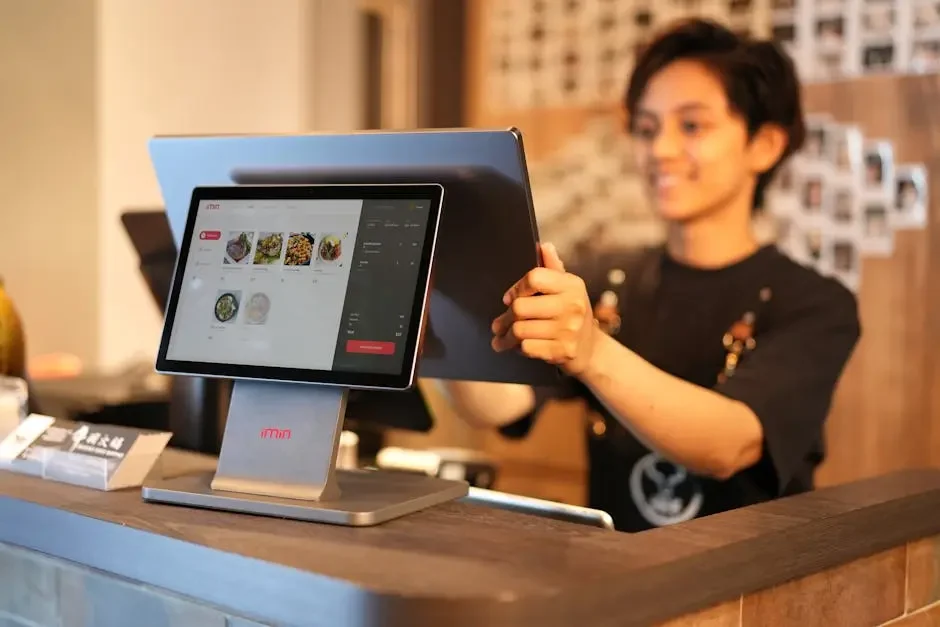
1. User-Friendly Interface
When it comes to POS systems, simplicity is key. A user-friendly interface helps your staff process transactions quickly and accurately, reducing training time and improving overall efficiency.
Moreover, a straightforward design minimizes errors during checkout. This ensures customers have a pleasant experience, which is vital in keeping them coming back to your store. You'll want to ensure the screen layout is intuitive enough that even new employees can step in with minimal guidance.
Consistency in the user experience across different devices can also prove advantageous. If your POS system offers an application for tablets or smartphones, making the transition between devices seamless will only enhance your team's ability to serve customers effectively.
2. Inventory Management Tools
Effective inventory management is crucial for any convenience store. Look for a POS system that offers robust inventory tracking capabilities, such as automated stock updates and alerts for low stock levels.
An advanced inventory system doesn’t just track what you have on the shelves; it can also analyze purchasing patterns. By understanding which products are flying off the shelves and which ones are collecting dust, you can make data-driven decisions about reorders and specials.
Supplier integration is another feature that can be invaluable. Some systems allow you to place orders directly from your POS, streamlining the restocking process and ensuring you never run low on popular items.
3. Sales Reporting and Analytics
Understanding your sales data can drive informed decisions. A POS system equipped with comprehensive reporting tools allows you to analyze trends, monitor peak sales times, and identify your best-selling products.
The ability to generate various reports, from daily sales summaries to deeper seasonal analyses, can guide your promotional strategies. If you notice a spike in sales during holidays or specific times of the week, you can capitalize on such trends with well-placed marketing efforts.
Keep in mind that easy access to this data, whether through online dashboards or mobile apps, will empower you to stay on top of your store’s performance at all times. That level of insight is incredibly valuable, especially in a fast-paced retail environment.
4. Payment Flexibility
Customer preferences can vary, so it's vital to choose a POS that supports multiple payment methods, including credit/debit cards, mobile wallets, and contactless payments for a seamless checkout experience.
Additionally, accepting a variety of payment options can enhance customer satisfaction. Whether your shoppers prefer traditional cash transactions or the latest digital wallets, providing them with choices can positively impact their perception of your store.
Importantly, look for systems that also prioritize security in their payment processing. Customers feel more at ease when they know their financial information is shielded from potential threats.
5. Customer Relationship Management (CRM)
A great POS system should help you foster customer loyalty. Integrated CRM features can assist in collecting customer data, managing loyalty programs, and sending personalized promotions to encourage repeat business.
Imagine being able to send tailored discounts to loyal customers based on their purchase history. Such targeted marketing not only helps increase sales but also builds a strong connection between your store and your clientele.
This feature acts not merely as a tool, but as a foundation for lasting relationships, creating an environment where customers feel valued and recognized.
6. Integration with Other Tools
Your POS should work well with other software you use, like accounting systems or marketing tools. Look for options that offer easy integration to streamline your entire operation.
An integrated system saves time and minimizes errors associated with manual data entry. With clear communication between your POS and accounting software, you can ensure that your financial records are accurate and up-to-date.
This interconnectedness also enhances reporting capabilities, providing a holistic view of your store's performance. When all systems talk to each other, you can focus more on running your business and less on administrative hassles.
7. Secure Data Protection
Customer information and sales data are sensitive. Ensure that the POS system you choose adheres to the highest security standards, including encryption and secure payment processing to protect your business.
With breaches becoming alarmingly common, safeguarding your customer data not only fosters trust but is legally imperative. Choose a system with a reputation for reliability and a strong track record of data security.
Furthermore, consider systems that offer regular updates and security audits to adapt to the ever-changing landscape of digital threats.
8. Cloud-Based Accessibility
Cloud-based systems allow you to access your POS from anywhere, making it easier to manage your store remotely. This feature also ensures that your data is backed up and safe from local hardware failures.
Imagine being able to check sales reports while sitting at home or even during a vacation! This flexibility is a game changer for busy store owners and managers, allowing you to address needs on-the-go.
Additionally, cloud solutions frequently come with lower upfront costs compared to traditional setups, making them an attractive option for many entrepreneurs exploring cost-efficiency.
9. Customizable Features
Every convenience store is unique, so look for a POS that allows customization to fit your specific needs. Whether it’s specialized reporting, tailored loyalty programs, or unique payment options, customization can enhance your operations.
Having a system that molds to your business requirements rather than forcing you to adapt is indispensable. This not only streamlines your processes but also can lead to significantly higher employee satisfaction, as they can work with a system that meets their needs.
Customization in user permissions can also be crucial for larger teams, allowing you to tailor access levels based on staff roles, enhancing both security and operational flow.
10. Excellent Customer Support
Having reliable customer service from your POS provider is essential. Choose a system that offers comprehensive support options, whether through phone, email, or live chat, to help you troubleshoot any issues efficiently.
Good support can save you from potential interruptions during busy periods. The ability to quickly solve problems can keep your operations smooth and maintain a high level of customer service that your clientele expects.
Never underestimate the power of responsive support. Many users find comfort in knowing they can reach out for help at any hour, translating to peace of mind as they navigate the complexities of their business.